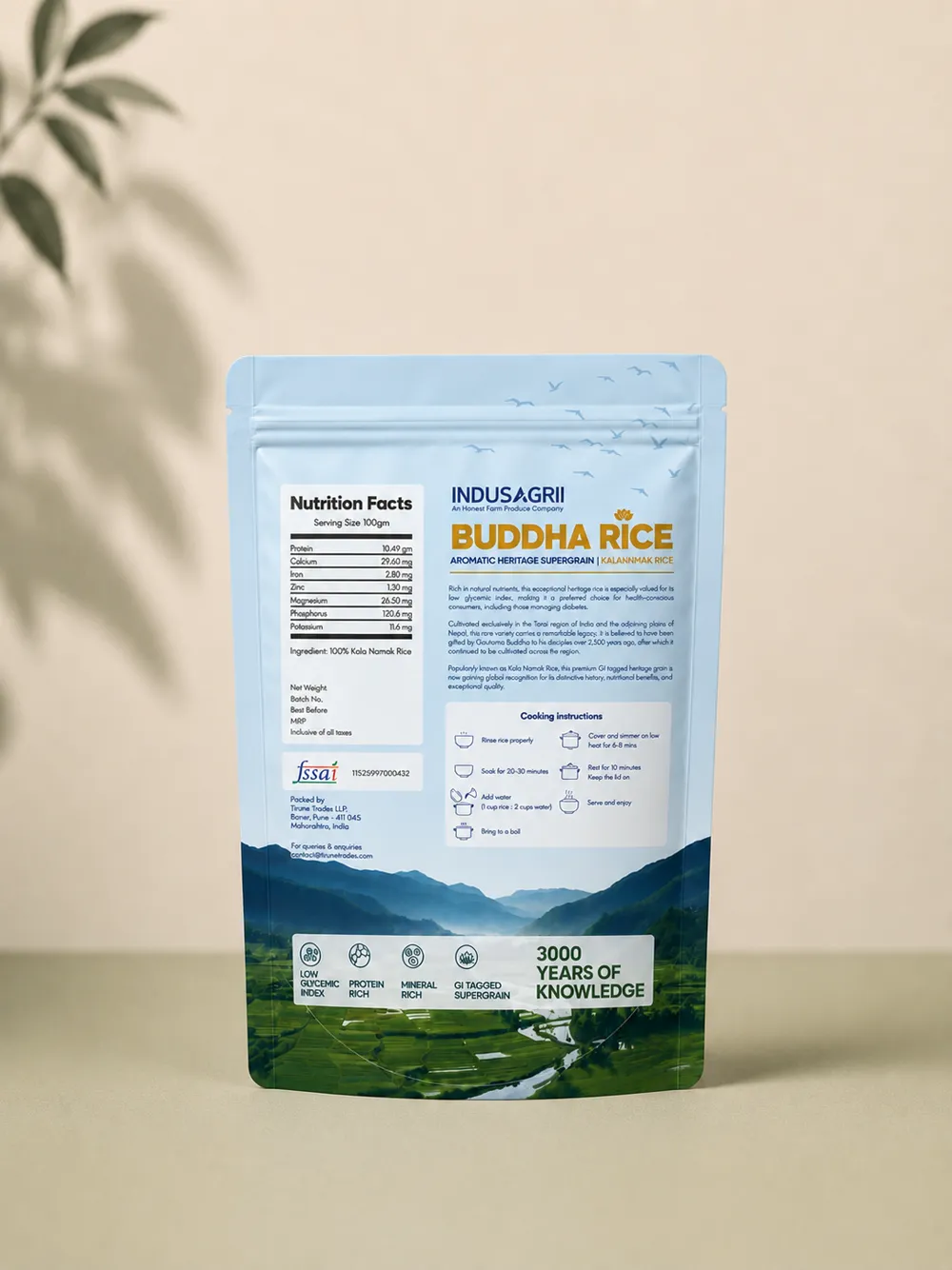

Kala Namak Rice
Indian Aromatic Super Healthy White Color Rice
₹325.00
₹349.46
7% OFF(1kg) · MRP incl. all taxes
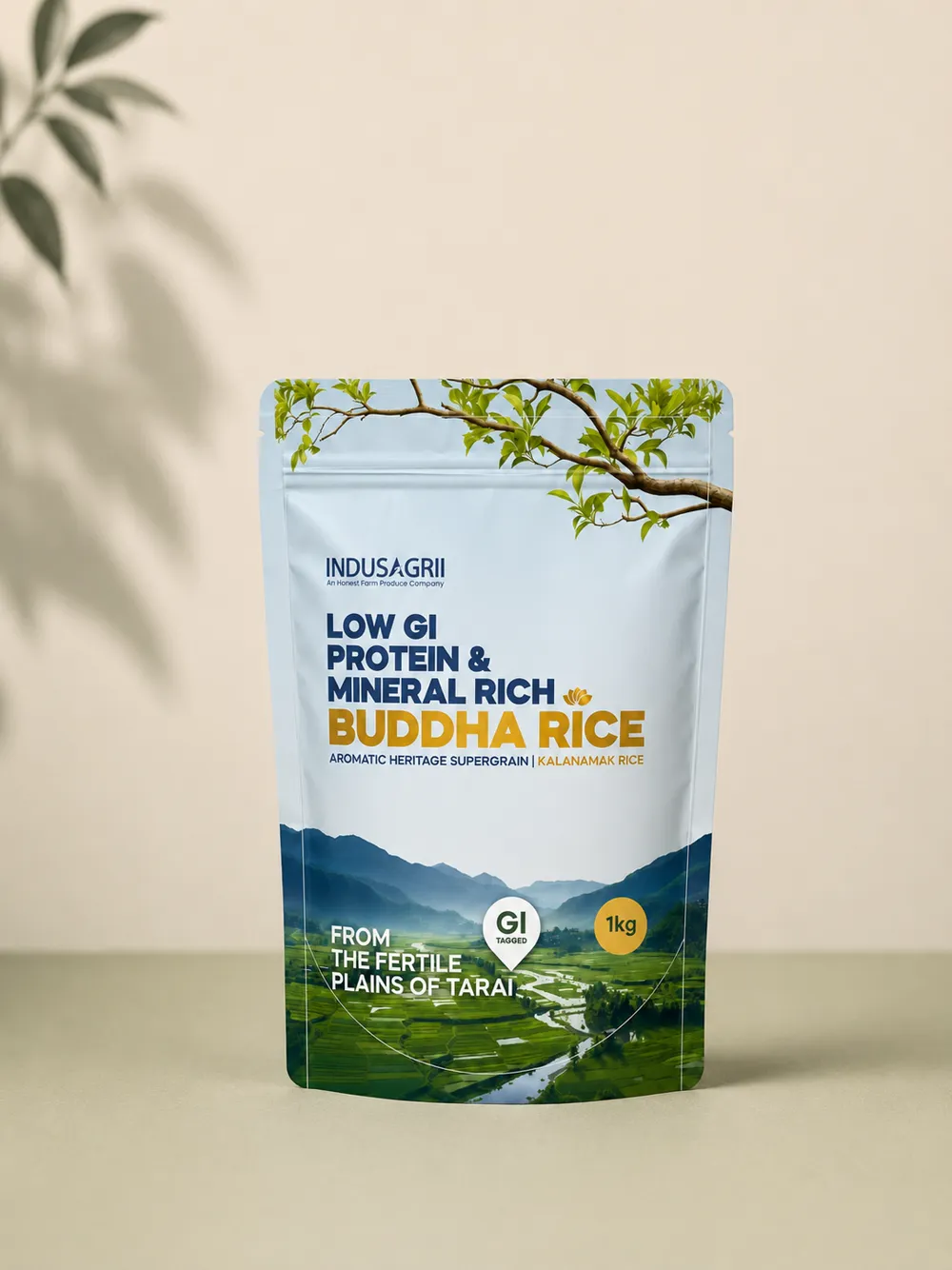
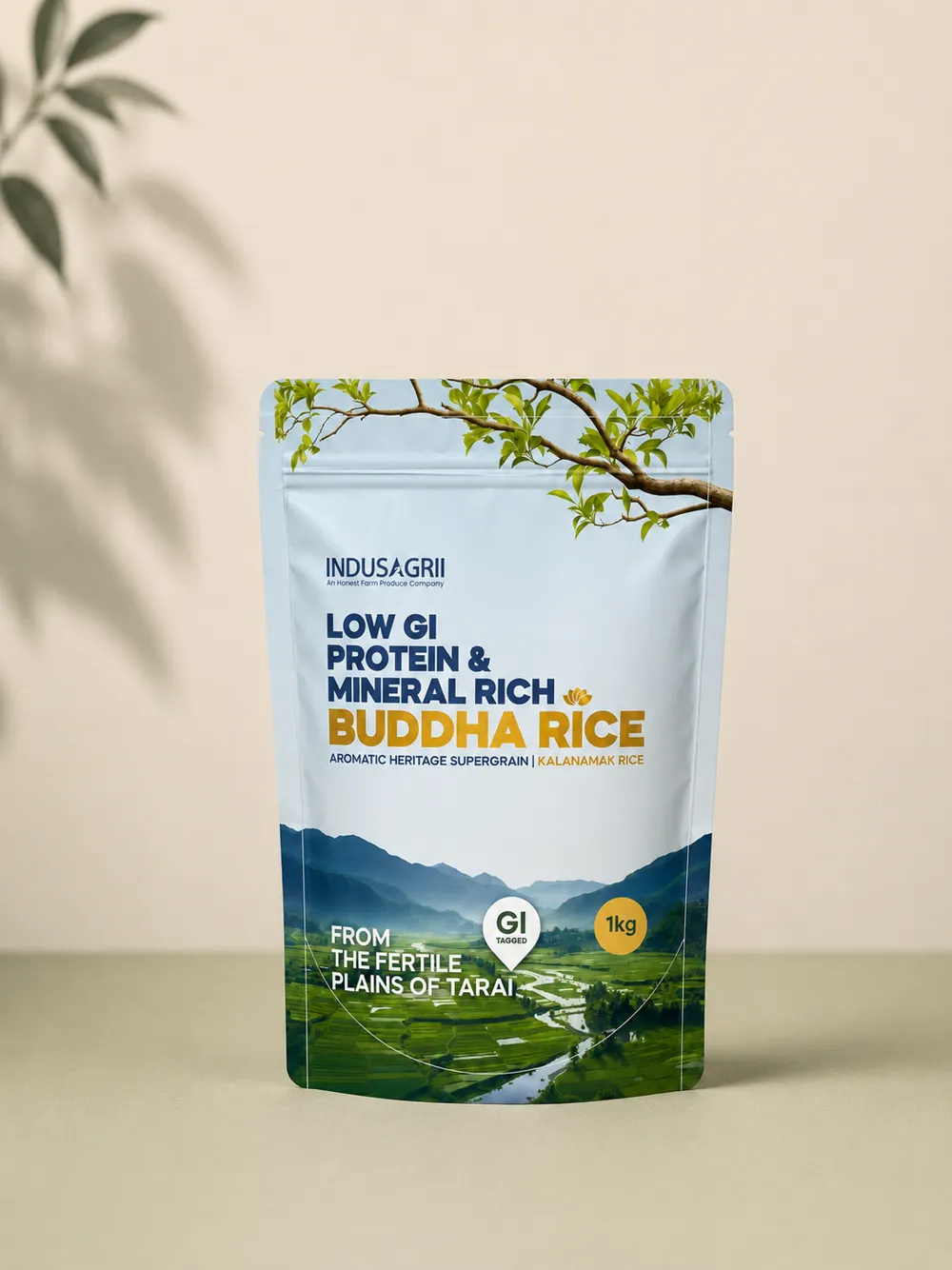
Experience the authentic aroma of "Buddha's Gift." This premium short-grain rice is highly nutritious and known for its unique earthy flavor.
Pack Size
Quantity
Customer Reviews
Please log in to submit a review.
No reviews yet. Be the first to review this product.
About IndusAgrii Kalanamak (Kala Namak) Rice
Kalanamak is a heritage aromatic rice from the Terai belt of eastern Uttar Pradesh, the area around Siddharthnagar and Gorakhpur. Its name comes from the black husk ("kala") on the paddy; the grain inside is white, short and strongly fragrant. Local tradition links it to the Buddha, which is why it is also sold as "Buddha rice". Kalanamak rice from this region carries a Geographical Indication (GI) tag.
Cooked Kalanamak is soft, slightly sticky and fills the kitchen with aroma, so a small amount turns plain rice into an occasion. It shines in kheer, light pulao, curd rice and simply steamed with dal.
How to cook Kalanamak rice
Rinse gently and soak for 20 to 30 minutes. Cook with about 1 : 2 rice to water in a covered pot on low heat, or 2 whistles in a pressure cooker. For kheer, cook the soaked rice directly in simmering milk and stir often.
- Grain
- Short grain, white, strongly aromatic
- Origin
- Eastern Uttar Pradesh (GI-tagged Kalanamak belt)
- Best for
- Kheer, pulao, curd rice, everyday steamed rice
- Pack sizes
- 1 kg, 2 kg and 5 kg
- Storage
- Airtight container in a cool, dry place
- Delivery
- Pune and the Mumbai Metropolitan Region; free above ₹999 in Pune
Frequently asked questions
Is Kalanamak rice black rice?
No. Only the husk of the paddy is black. The polished grain you cook is white.
How is Kalanamak different from Indrayani?
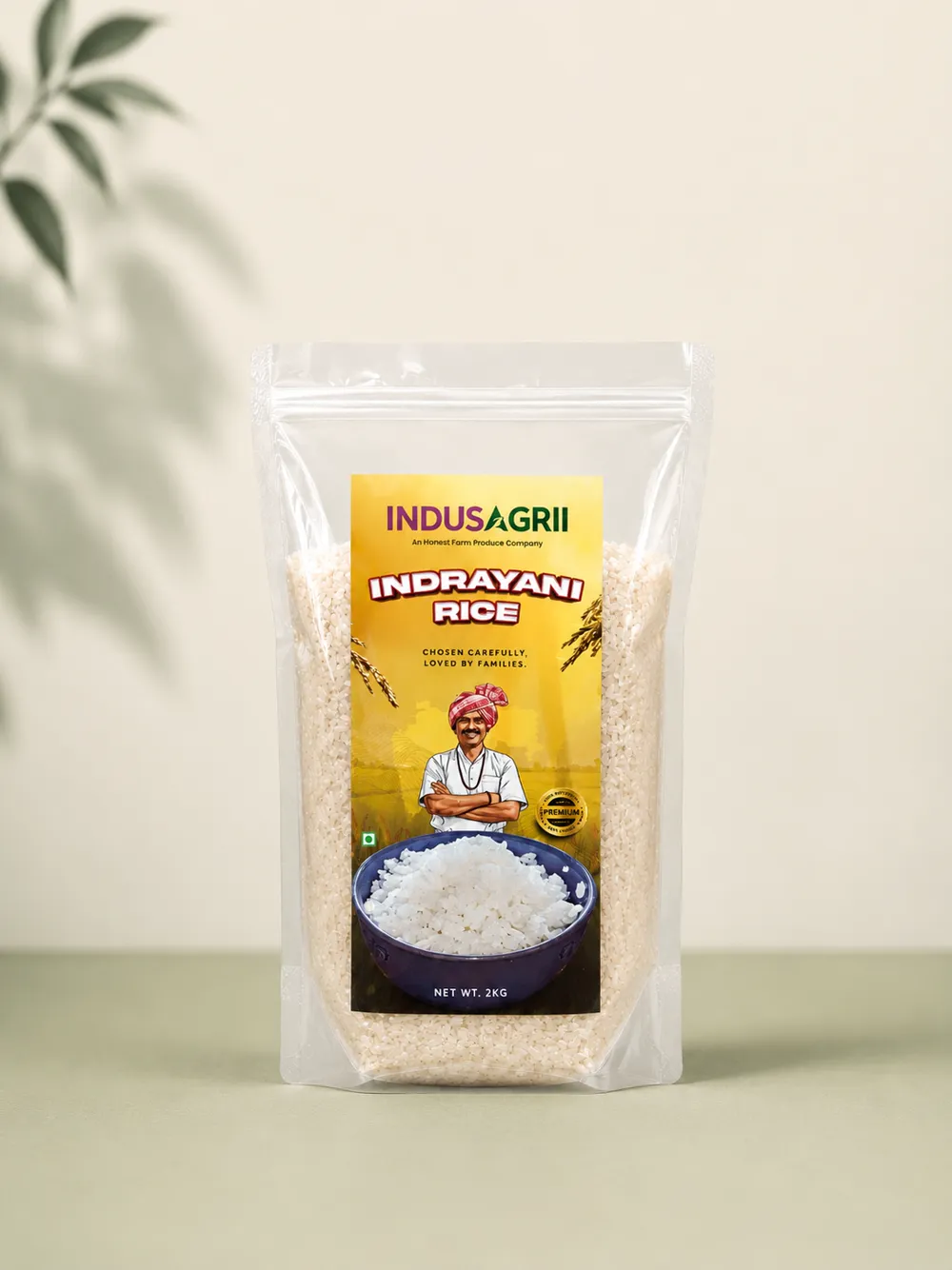
Both are aromatic and soft. Kalanamak is a smaller grain from Uttar Pradesh with a stronger, earthier aroma; Indrayani is a Maharashtra medium grain used for daily meals.
Should I soak Kalanamak rice?
A 20 to 30 minute soak gives more even cooking and softer grains, especially for kheer.